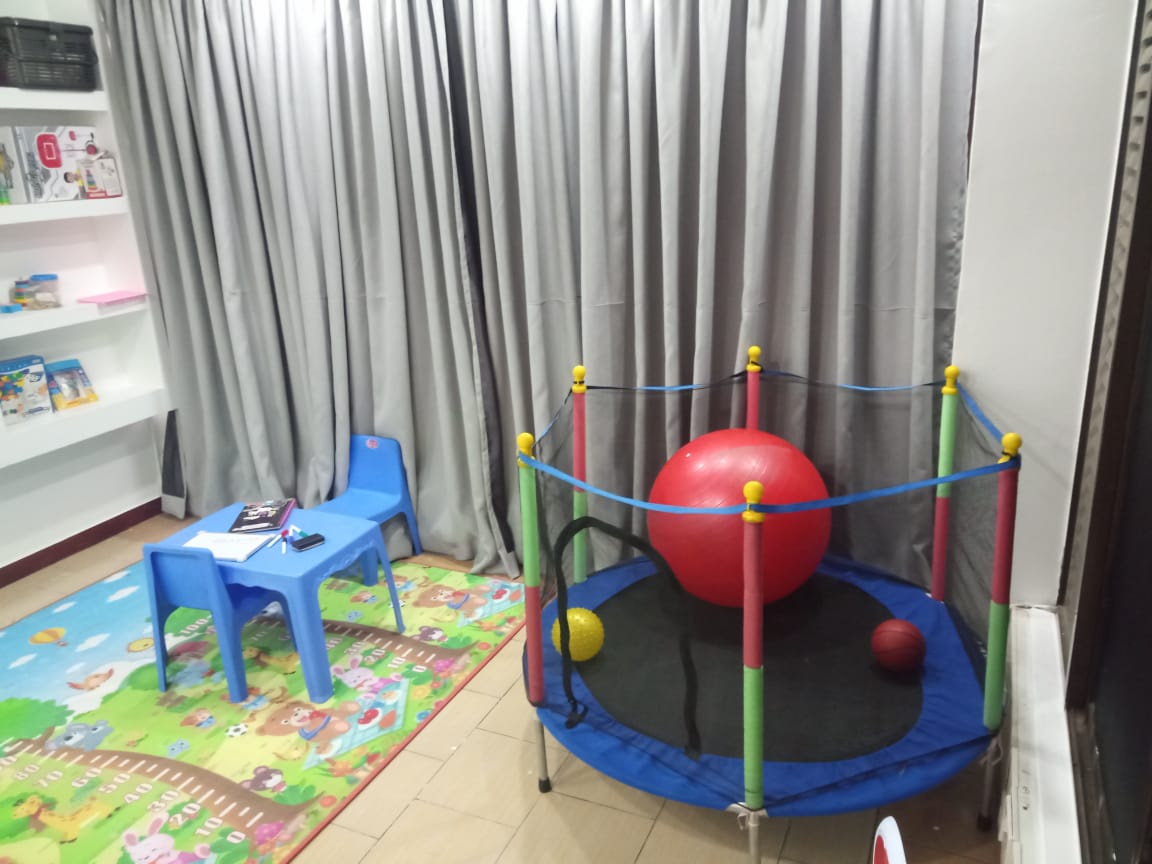
Sensory processing therapy Sensory
Feb 10, 2026 Laura Selah

Understanding Sensory Processing Difficulties in Children

Some children react strongly to everyday sensations like noise, touch, or movement. Learn about sensory processing and how therapy can help your child regulate their responses...

Read More →

Some children react strongly to everyday sensations like noise, touch, or movement. Others constantly seek movement and struggle to sit still. These may be signs of sensory processing difficulties.

What Is Sensory Processing?

Sensory processing refers to how the brain interprets information from the body and environment, including:

  • Touch
  • Sound
  • Movement
  • Body awareness
  • Visual input

When sensory processing is not well regulated, children may cover their ears frequently, avoid certain clothing textures, seek constant spinning or jumping, have frequent meltdowns, or struggle with attention.

Sensory Integration Therapy helps children improve self-regulation, attention, and participation in daily activities.

← Read Less
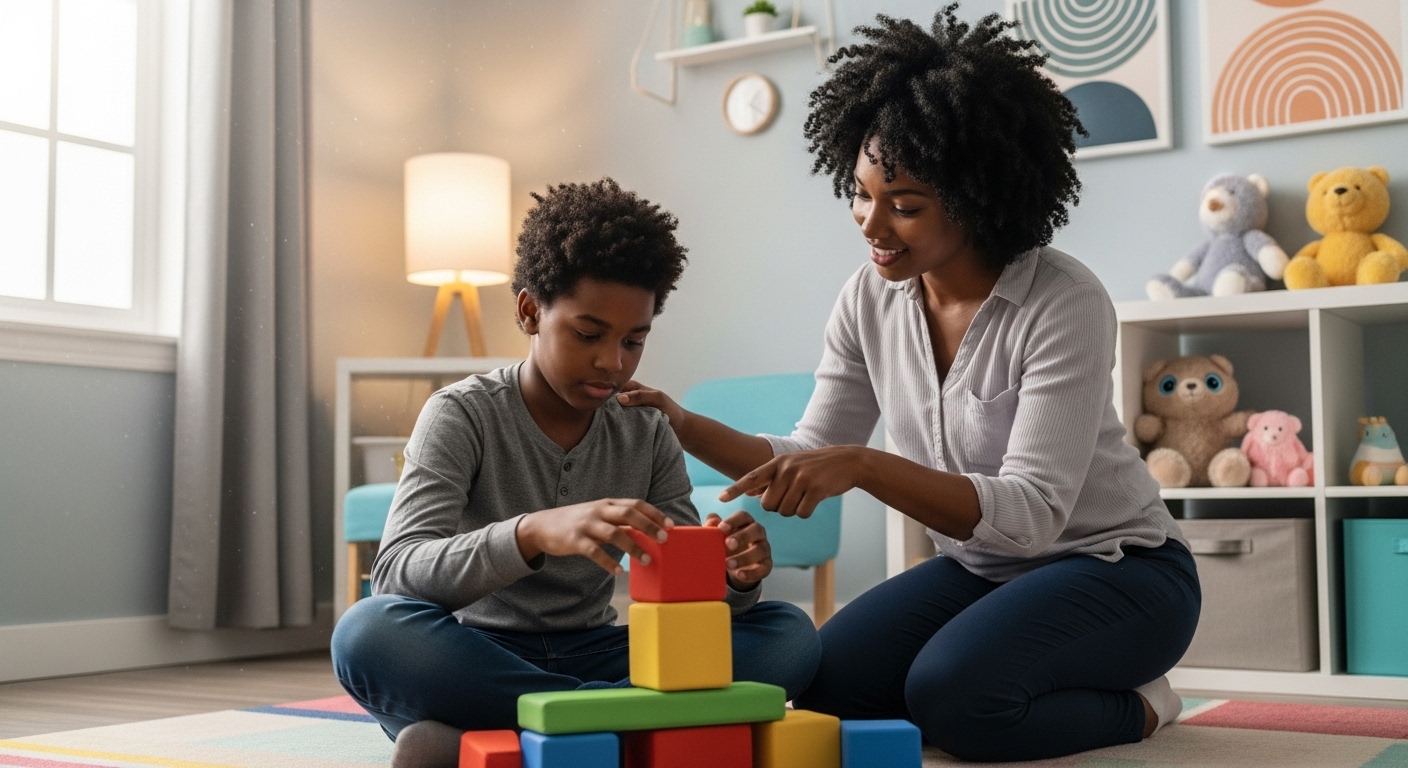
Autism therapy Autism
Feb 5, 2026 Albert Onchiri

Occupational Therapy for Children with Autism

Children with Autism Spectrum Disorder often experience challenges in communication, sensory regulation, play, and daily living skills. Discover how OT supports their development...

Read More →

Children with Autism Spectrum Disorder (ASD) often experience challenges in communication, sensory regulation, play, and daily living skills.

How Occupational Therapy Helps

Occupational Therapy supports children with autism by helping them develop:

  • Self-care skills (dressing, feeding, grooming)
  • Fine and gross motor skills
  • Sensory regulation strategies
  • Play and social participation
  • Emotional regulation skills

Therapy is individualized and involves caregiver education to support progress at home and school. Early support improves independence and confidence.

← Read Less
ADHD therapy ADHD
Jan 28, 2026 Novins Opiyo

ADHD and Therapy: How Occupational Therapy Can Help

Children with ADHD often struggle with attention, impulse control, and emotional regulation. Learn practical strategies that OT provides for real-life situations...

Read More →

Children with ADHD often struggle with attention, impulse control, and emotional regulation. These challenges can affect school performance, social relationships, and daily activities.

How Occupational Therapy Helps

Occupational Therapy can help by:

  • Teaching self-regulation strategies
  • Improving attention and task completion
  • Supporting classroom participation
  • Enhancing organizational skills
  • Developing motor coordination

Therapy focuses on practical strategies that children can use in real-life situations, especially at school and home.

← Read Less
Early intervention Early Intervention
Jan 20, 2026 Laura Selah

The Importance of Early Intervention

The early years of a child's life are critical for brain development. When developmental delays are addressed early, children have better outcomes in school and daily life...

Read More →

The early years of a child's life are critical for brain development. When developmental delays are addressed early, children have better outcomes in school and daily life.

Benefits of Early Intervention

Early intervention can help with:

  • Motor development
  • Speech and communication
  • Sensory regulation
  • Emotional control
  • School readiness

If you are concerned about your child's development, early assessment provides reassurance and guidance. Don't wait - early support makes a significant difference.

← Read Less
School readiness School
Jan 15, 2026 Albert Onchiri

School Readiness: Preparing Your Child for Success

Starting school is a major milestone. Learn about the key skills children need for classroom success and how therapy can support school readiness...

Read More →

Starting school is a major milestone for every child. Being prepared with the right skills can make the transition smoother and set the foundation for academic success.

Key School Readiness Skills

  • Fine motor skills: Holding pencils, using scissors, drawing
  • Attention and focus: Sitting still, following instructions
  • Social skills: Sharing, taking turns, making friends
  • Self-care: Using toilet independently, opening lunch boxes
  • Communication: Expressing needs, listening to others

Occupational therapy can help develop these skills through play-based activities that prepare children for the classroom environment.

← Read Less
Family support Family
Jan 10, 2026 Laura Selah

Supporting Siblings of Children with Special Needs

Siblings often face unique challenges and emotions. Discover strategies for supporting the whole family and ensuring every child feels valued and understood...

Read More →

Siblings of children with special needs often face unique challenges and emotions. They may feel overlooked, jealous, or worried about their brother or sister.

Strategies for Supporting Siblings

  • Spend one-on-one time with each child
  • Encourage open communication about feelings
  • Provide age-appropriate information about their sibling's needs
  • Connect them with sibling support groups
  • Celebrate each child's unique strengths

Remember that siblings need support too. Family therapy can help address these dynamics and ensure every child feels valued and understood.

← Read Less